
HU.TA SINGAPORE 茵狐姬缘
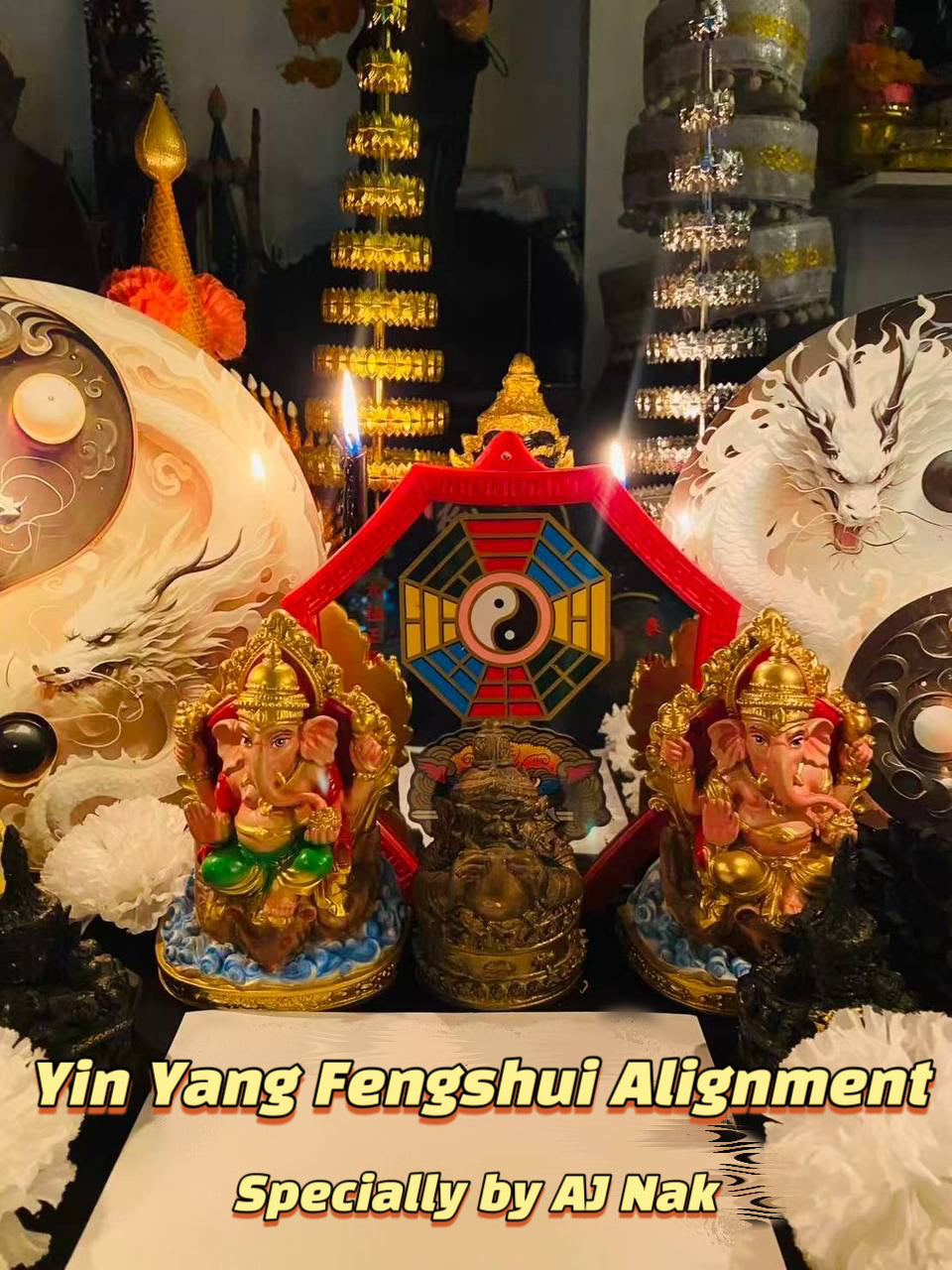
☯️ Yin–Yang Feng Shui Alignment
☯️ Yin–Yang Feng Shui Alignment
Couldn't load pickup availability
☯️ Yin–Yang Feng Shui Alignment
Restore Balance • Shift Your Energy • Improve the Flow of Life
In ancient Eastern philosophy, Yin and Yang form the foundation of how energy moves throughout the universe.
They are not opposing forces. Instead, they complement, support, and transform one another.
When your personal energy falls out of balance, different areas of life may begin to feel stagnant, chaotic, or unusually difficult. Through Feng Shui and Yin–Yang harmonisation, the intention is to restore equilibrium—allowing opportunities, relationships, prosperity, and overall fortune to flow more smoothly.
☯️ Understanding Yin & Yang
Yin represents stillness, the inner world, emotions, thoughts, intuition, and subconscious energy.
Yang represents movement, action, visibility, career, ambition, social connections, and external opportunities.
When Yin becomes excessive, you may experience stagnation, emotional heaviness, low motivation, or difficulty moving forward.
When Yang becomes excessive, life may become unstable—bringing impulsiveness, unnecessary financial loss, conflict, or strained relationships.
✨ The objective is balance.
When Yin and Yang support one another, your personal energy becomes more grounded, stable, and receptive to positive opportunities.
🏡 Feng Shui: Rebalancing the Energy Around You
Feng Shui focuses heavily on the movement of Qi (氣) within your surroundings.
Your home and workplace can influence how comfortably that energy circulates.
✨ Balance Light & Darkness
A space that is excessively dark may feel heavy and stagnant, while overly harsh lighting can create restless energy.
Balanced, comfortable lighting encourages a more harmonious environment.
🌿 Balance Movement & Stillness
Different areas should serve different energetic purposes.
Yin spaces — bedrooms, meditation areas and places for rest.
Yang spaces — offices, living rooms, reception areas and places where activity occurs.
Creating a clear distinction between the two allows energy to circulate more naturally.
🌊 Harmonise the Five Elements
Traditional Feng Shui incorporates the energies of:
Wood • Fire • Earth • Metal • Water
Each element can be introduced strategically to strengthen areas where energy may be lacking.
For example:
💧 Water — associated with flow, opportunities and wealth.
🔥 Fire — associated with visibility, motivation, recognition and action.
🔮 Strengthening the Shift Through Ritual
Traditional practices may also incorporate spiritual rituals intended to help rebalance and strengthen one’s energetic field.
Depending on the individual’s intention, the ritual may focus on:
✨ Clearing stagnant or negative energy
✨ Strengthening personal magnetism
💰 Activating prosperity and wealth opportunities
🤝 Improving benefactor and networking luck
🍀 Encouraging smoother overall fortune
The intention is to clear what has become stagnant and create a more supportive energetic environment for progress.
🧘 Inner Feng Shui Matters Too
True Feng Shui does not begin and end with your surroundings.
Your internal state is part of your energetic environment.
Balance Yin by learning to regulate emotions, quiet mental noise, and create space for reflection.
Strengthen Yang through decisive action, discipline, confidence, and movement toward your goals.
When your internal energy and external environment begin working together, meaningful change becomes easier to sustain.
🌟 What Can Yin–Yang Harmony Support?
As your surroundings and personal energy become more balanced, the practice is traditionally associated with:
💰 Wealth Flow — encouraging financial opportunities and reducing stagnation.
💼 Career Progress — creating smoother momentum and fewer unnecessary obstacles.
🤝 Benefactor Luck — strengthening helpful connections and supportive relationships.
❤️ Relationship Harmony — encouraging healthier interpersonal dynamics.
🍀 Overall Fortune — creating an environment more receptive to positive opportunities.
Share